Innovative Technical Consulting Services
The Role of IT in Enabling Sustainable Digital Transformation: Building a Smarter, Greener Future
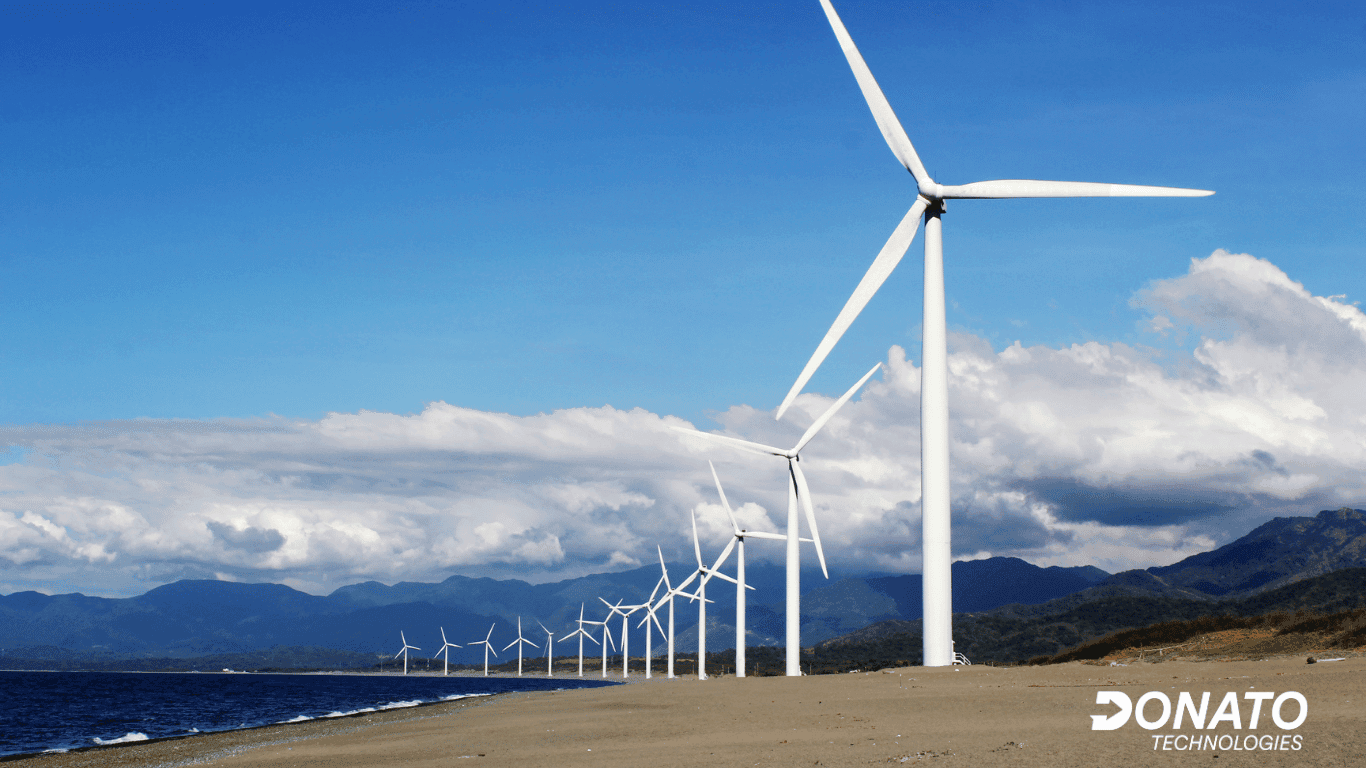
Introduction: Where Sustainability Meets Digital Innovation
In 2025, sustainability isn’t just a corporate buzzword—it’s a business imperative. As organizations across Texas and around the world move toward digital-first models, IT stands at the intersection of innovation and responsibility.
Whether it’s optimizing cloud operations, reducing data center emissions, or automating efficiency, information technology is the backbone of sustainable transformation. It empowers organizations to operate smarter, cleaner, and more responsibly—without compromising performance or profitability.
Understanding Sustainable Digital Transformation
Defining “Sustainable” in the Context of IT
Sustainable digital transformation refers to leveraging digital tools and IT infrastructure in ways that reduce environmental impact, promote efficiency, and ensure long-term value. It’s not just about going paperless—it’s about creating systems that consume less energy, waste fewer resources, and scale responsibly.
Balancing Growth, Efficiency, and Environmental Responsibility
True sustainability is about balance—achieving growth while reducing the carbon footprint of technology. IT teams today play a crucial role in helping businesses strike that equilibrium.
1. Cloud Computing: The Foundation of Sustainable IT
Cloud computing has revolutionized how businesses consume technology. By shifting from on-premise infrastructure to scalable cloud platforms, organizations cut down hardware waste and energy consumption.
Energy Efficiency Through Virtualization
Instead of running hundreds of underutilized servers, virtualization enables multiple systems to run efficiently on fewer physical machines—reducing power use by up to 80%.
Multi-Cloud Strategies for Optimized Resource Use
Companies increasingly adopt multi-cloud and hybrid environments to optimize resource use, minimize redundancy, and leverage the most energy-efficient providers.
2. Data Centers and Green Infrastructure
Data centers are the heart of digital transformation—but they’re also notorious for high energy consumption. Fortunately, IT innovation is changing that.
Transitioning to Renewable-Powered Data Centers
Tech giants like Google and Microsoft now operate 100% renewable-powered data centers, setting benchmarks for sustainability. Smaller companies can follow suit by partnering with eco-conscious hosting providers.
Edge Computing and Energy Optimization
By processing data closer to its source, edge computing reduces latency, bandwidth use, and overall energy consumption.
3. The Role of AI and Automation in Sustainability
Artificial intelligence and automation are reshaping sustainability strategies.
Predictive Analytics for Smarter Resource Management
AI can forecast energy needs, optimize supply chains, and even identify inefficiencies in manufacturing or logistics.
Automating Efficiency: Reducing Waste and Downtime
Automation tools streamline repetitive tasks, reducing system downtime and hardware wear—both major contributors to carbon output.
4. Sustainable Software Development and DevOps Practices
As software becomes more integral to sustainability, development practices must evolve too.
Green Coding Principles and Lifecycle Thinking
Green coding focuses on optimizing algorithms and minimizing energy-intensive operations. Efficient code doesn’t just run faster—it consumes less energy across millions of devices.
The Rise of Eco-Friendly Development Pipelines
Modern DevOps integrates sustainability metrics—like build-time efficiency and infrastructure scaling—to ensure greener development cycles.
5. IoT and Smart Infrastructure: Digitizing for Impact
From smart buildings to intelligent farming systems, IoT devices are driving real-world sustainability gains.
How Connected Devices Optimize Resource Use
IoT sensors monitor energy, water, and waste in real time—helping organizations make data-driven decisions that cut costs and emissions.
IoT in Energy, Agriculture, and Urban Planning
Texas cities like Austin and Houston are investing in smart grids and IoT-powered waste management, setting examples of urban sustainability driven by IT innovation.
6. IT Governance and ESG Reporting: Aligning Strategy with Action
Sustainability isn’t just an IT goal—it’s a governance requirement.
Embedding Sustainability Metrics in IT Strategy
Progressive organizations now include carbon usage, server efficiency, and digital waste metrics in their IT roadmaps.
Technology’s Role in Transparent ESG Reporting
With the right IT systems, companies can track and report Environmental, Social, and Governance (ESG) goals with accuracy—boosting trust and accountability.
7. Cybersecurity as a Pillar of Sustainable Transformation
Cyber resilience is sustainability in action.
A single data breach can wipe out years of progress—not just financially, but environmentally—through wasted resources and downtime.
Secure-by-Design
Embedding security from the ground up minimizes the need for costly rework and ensures system longevity—a key principle of sustainable IT design.
8. Workforce Enablement: Building a Green IT Culture
Technology is only as sustainable as the people behind it.
Upskilling IT teams to adopt sustainable thinking ensures every project, deployment, and innovation contributes positively to the environment.
Real-World Examples: Companies Leading the Way
-
Microsoft: Achieved carbon neutrality and invests heavily in AI-driven sustainability models.
-
Google: Runs its data centers with renewable energy and AI-powered cooling systems.
-
Dell Technologies (Texas-based): Focuses on circular IT models—recycling components and reducing e-waste globally.
Challenges in Sustainable IT Transformation
While the vision is clear, the path isn’t always easy.
Balancing upfront investment costs with long-term efficiency gains remains a challenge for many businesses. Measuring “true sustainability” across digital ecosystems also requires unified standards and metrics.
How IT Leaders Can Drive Sustainable Transformation in 2025 and Beyond
For CIOs and IT managers, sustainable transformation starts with mindset and measurement:
-
Audit your infrastructure for energy inefficiencies.
-
Adopt cloud-first, automation-led approaches.
-
Foster cross-departmental collaboration between IT and sustainability teams.
-
Invest in upskilling your workforce in green IT and ESG principles.
FAQs on Sustainable Digital Transformation
Q1. What is sustainable digital transformation?
It’s the process of using IT innovations to achieve business efficiency while reducing environmental impact.
Q2. Why is IT crucial for sustainability?
IT enables automation, data analysis, and optimization—key tools for energy and resource efficiency.
Q3. How can small businesses start?
Start by migrating to the cloud, optimizing devices, and using green hosting services.
Q4. What role does AI play in sustainability?
AI helps monitor, predict, and optimize energy usage across industries.
Q5. Are green IT initiatives cost-effective?
Yes—though they may require initial investment, the long-term ROI through efficiency and reputation is significant.
Conclusion: Empowering a Sustainable Future Through IT Innovation
Sustainable digital transformation isn’t just a trend—it’s the next phase of responsible innovation.
From the cloud to AI to smart cities, IT provides the tools and frameworks to build a future where digital growth and environmental responsibility go hand in hand.
For organizations across Texas and beyond, now’s the moment to harness IT’s power—not just to transform digitally, but to transform sustainably.